Guttering Solutions
Add a review FollowOverview
-
Founded Date June 20, 1942
-
Sectors Telecommunications
-
Posted Jobs 0
-
Viewed 22

Company Description
What’s The Job Market For Residential Gutters Professionals?
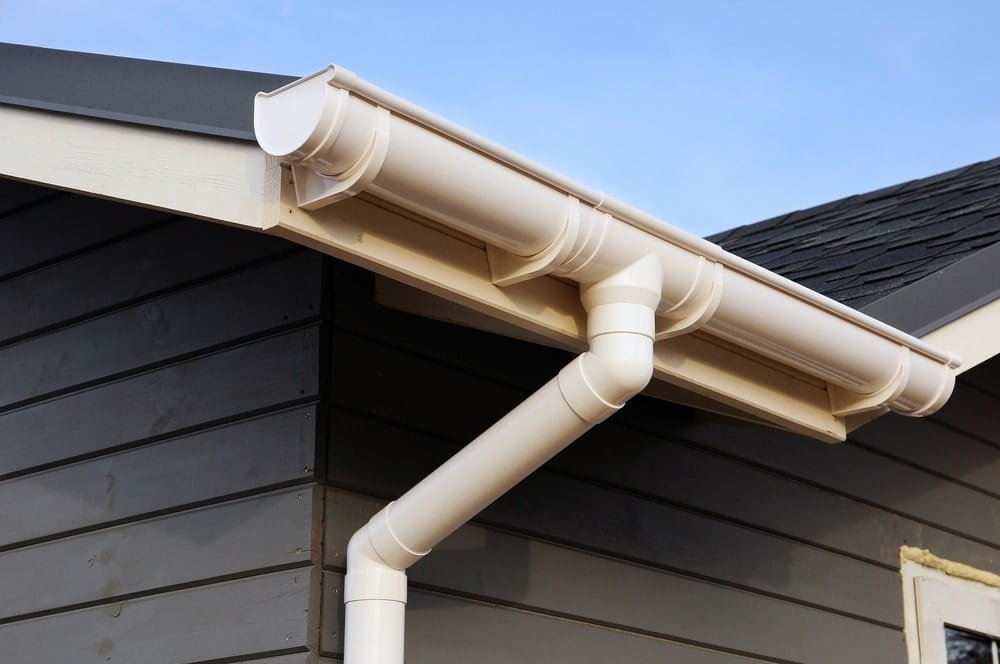
Understanding Residential Gutters: Importance, Types, Maintenance, and FAQs
Residential gutters play an important function in securing homes from undesirable water damage. They are frequently ignored, however their appropriate installation and maintenance are vital for preserving the structural stability of a home. This short article digs into the significance of gutters, their various types, maintenance suggestions, and frequently asked concerns to offer house owners with a detailed guide to managing their gutter systems.
The Importance of Residential Gutters
The main function of residential gutters is to direct rainwater far from the foundation of a house, preventing potential problems such as:
- Foundation Damage: Water pooling around the foundation can result in erosion and structural weakness.
- Basement Flooding: If water is not diverted away, it can leak into the basement, leading to pricey repairs.
- Roof Damage: Clogged gutters can cause water overflow, which can harm the roof and associated structures.
- Landscaping Erosion: Directing water towards landscaping can trigger undesirable disintegration and soil displacement.
- Pest Infestations: Standing water in clogged gutters can bring in bugs such as mosquitoes and rodents.
Understanding these dangers highlights the importance of appropriate gutter installation and maintenance.
Types of Residential Gutters
There are a number of kinds of gutters, and property owners must select the one that best fits their residential or commercial property’s requirements. Below are the most common types:
| Gutter Type | Description | Pros | Cons |
|---|---|---|---|
| K-Style Gutters | The most typical type, with a flat bottom and an ornamental shape. | Wide capacity, visually pleasing | Prone to clogging if not maintained |
| Half-Round Gutters | Semi-circular and typically discovered in historic homes. | Traditional design, less prone to obstructing | Restricted capability |
| Box Gutters | Built into the roof structure, permitting for more style versatility. | Seamless look, higher capability | Can be pricey to set up |
| Seamless Gutters | Customized cut on-site, decreasing leakages and requiring less maintenance. | Fewer leakages, low maintenance | Greater preliminary cost |
| Fascia Gutters | Connected to the fascia board, supplying a tidy appearance while efficiently managing rainwater. | Smooth design, efficient water circulation | Installation might be complex |
Selecting the Right Gutter Type
- Aesthetic Appeal: Consider how the gutter type fits the architectural style of the home.
- Environment: Areas with heavy rain or snow might require a gutter with a bigger capability.
- Budget: Weigh the preliminary installation expense against long-lasting maintenance needs.
Gutter Maintenance Tips
Keeping gutters is crucial to guaranteeing their durability and effectiveness. Here are some important maintenance ideas for house owners:
Regular Cleaning
- Frequency: Clean gutters at least two times a year, preferably in spring and fall.
- Tools Required: Ladder, gloves, scoop, and a tube.
Check for Damage
- Look for Rust or Holes: Look for indications of wear, particularly in metal gutters.
- Secure Hangers: Ensure all brackets and wall mounts are securely connected to preserve proper alignment.
Set up Guards
Think about gutter guards to lessen particles build-up and lower the frequency of cleaning. Kinds of guards include:
- Mesh Screens
- Hooded Guards
- Reverse Curve Systems
Seasonal Checks
- Winter Preparation: Inspect and clear gutters before winter season to avoid ice dams.
- Post-Storm Inspection: Check for obstructions or damage after heavy storms or high winds.
Professional Inspections
- Set up routine evaluations with a professional to deal with hard-to-reach areas and complicated repairs.
FAQs About Residential Gutters
1. How do I know if my gutters require cleaning?
Indicators consist of visible debris, water overflow, and drooping or removed gutters. Regularly checking gutters throughout rain can also help determine issues.
2. What is the typical life-span of residential gutters?
Most gutters last in between 20 to 50 years, depending upon the product. Aluminum and vinyl gutters have longer life-spans compared to wooden gutters.
3. Can I install gutters myself?
While DIY installation is possible, professional installation guarantees appropriate positioning and minimizes the threat of leakages and other problems.
4. What occurs if I don’t keep my gutters?
Disregard can cause considerable water damage, resulting in expensive repairs for the foundation, roof, and basement. It can also promote bug problems.
5. Is it essential to utilize gutter guards?
While not essential, gutter guards can considerably lower debris buildup, making gutter maintenance much easier and less frequent.
Residential gutters are important systems that protect homes from water damage. Comprehending their significance, types, maintenance requirements, and possible issues can empower homeowners to make informed decisions. Whether it’s through routine cleaning, evaluations, or installation of the appropriate gutters, proactive measures can protect a home’s value and enhance its resilience. With thorough maintenance, house owners can feel confident that their gutters will successfully handle rainwater, safeguarding their property for several years to come.